
Models, specifications and applications
Model names, units, market versions and configuration conditions need to stay together. These published manufacturer examples show how we organize technical product content.
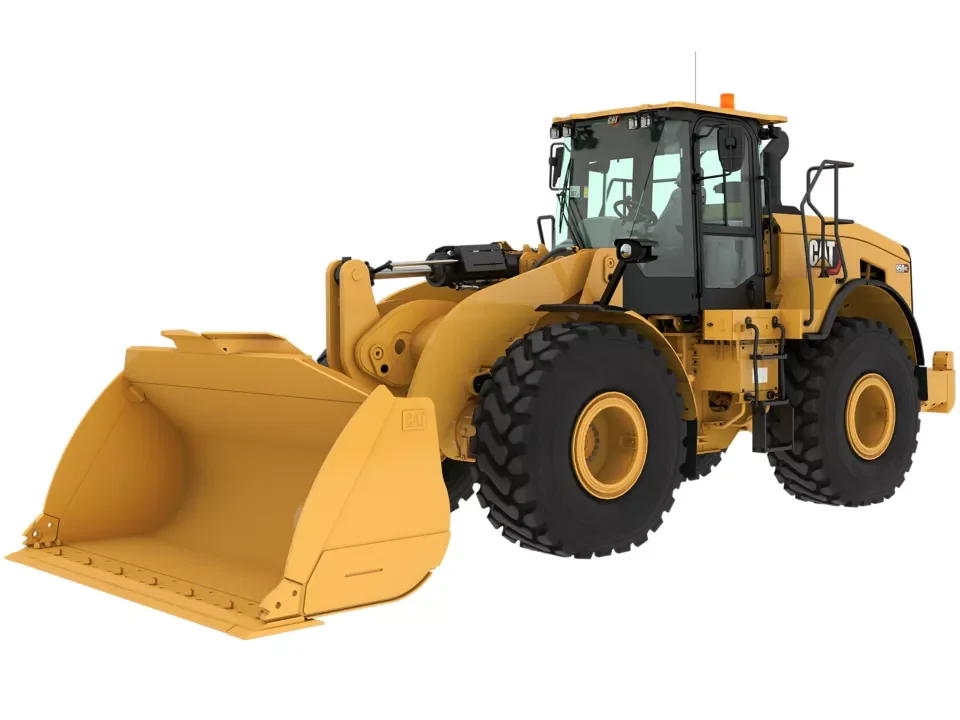
| Brand and model | Specification | Published value |
|---|---|---|
| Caterpillar 950 GCUS / Tier 4 Final / Stage IVManufacturer source | Net power, ISO 9249 | 168 kW |
| Operating weight | 18,849 kg | |
| Bucket capacity range | 2.9–4.4 m³ | |
| Breakout force | 154 kN | |
| Caterpillar 966US / Tier 4 Final / Stage VManufacturer source | Engine power ISO 14396 at 1,600 rpm | 239 kW |
| Operating weight | 23,196 kg | |
| Reference bucket capacity | 4.2 m³ | |
| Breakout force | 174 kN | |
| Static tipping load at full 37° turn | 14,849 kg |
Caterpillar 950 GC:Weight uses a 3.1 m³ general-purpose bucket, BOCE and 23.5R25 L3 tires. 2.9–4.4 m³ is the available bucket range. Material handling, truck loading, general construction and stockpiling; select buckets around material density and loading height.
Caterpillar 966:Weight uses Z-bar linkage, 26.5R25 L3 tires and a 4.2 m³ general-purpose bucket. The listed power is engine power to ISO 14396. Quarry, aggregate and construction material handling; selection connects bucket and material, truck height and work cycle.
Sources checked: 2026-09-21 · Published models illustrate specification and content work. Client projects use the models and documents in the client’s actual range.
Application, configuration and quotation content
- Tire size, duty and guarding depend on abrasion and travel distance.
- Rock, light-material and high-dump buckets and couplers have different scopes.
- Standard versus high-lift linkage changes discharge geometry and options.
- Destination emissions, spares and freight determine delivered scope.
We turn these questions into model-page content, technical documents and enquiry fields so sales receives the equipment, operating and delivery requirements together.
Keywords, intent and destination pages
Equipment businesses finding our services
wheel loader website design agency; SEO for wheel loader manufacturers; GEO services for loader exporters; wheel loader website redesign
These searches lead to this industry page and our website, SEO and GEO service pages. Business owners can review the work and submit their own website and product range.
Equipment purchasing queries for client websites
| Stage / query | Buyer intent | Content and target page | Enquiry action |
|---|---|---|---|
| Material wheel loader for aggregate stockpiling | Compare bucket volume, material density, pile height and duty cycle. | Aggregate application page linked to standard and high-dump configurations. | Request material, moisture, target load and working hours. |
| Capacity wheel loader tipping load vs rated payload | Distinguish tipping load from allowable payload for a given condition. | Specification guide with configuration and test-standard notes. | Collect bucket and job details rather than horsepower alone. |
| Clearance wheel loader dump clearance for batching plant | Match the receiving hopper or truck. | Application page with dump height, reach and bucket illustration. | Ask for hopper height and available working area. |
| Quote wheel loader quotation with rock bucket and L5 tires | Compare bucket, tires, coupler and support. | Quote information page with machine and options separated. | Capture duty, tire and destination requirements. |
AI purchasing prompts and content preparation
These purchasing questions can be tested in ChatGPT, Gemini and AI search experiences. Record the platform, date, region, full response, suppliers mentioned and cited URLs, then compare the findings with the client’s published content.
How should I select a wheel loader for wet aggregate at a concrete batching plant? Explain bucket capacity, material density, dump clearance and tipping-load terminology.
- What to observe
- Check that volume is not presented as a fixed payload and that wet density and hopper height are requested.
- Supporting page content
- Material-density guidance, discharge drawing and configuration-specific capacity information.
Compare Cat 950 GC and 966 using current US specifications. State the power standard and the bucket and tire configuration used for operating weight.
- What to observe
- Check net versus engine-power standards and weight configurations.
- Supporting page content
- Properly labelled specifications without unsupported productivity comparisons.
What information should an aggregate producer include when requesting a loader quotation with a rock bucket, a quick coupler and heavy-duty tires?
- What to observe
- Look for interface, tire duty and discharge requirements.
- Supporting page content
- Procurement configuration sheet, options and destination-delivery details.
Optimization work and execution sequence
| Stage | Actions | Deliverable |
|---|---|---|
| Week 1 | Interview sales and product staff; separate machines, buckets, couplers and tires. Check units, broken PDFs and inquiry handling. | Machine/bucket/application map and site diagnostic. |
| Week 2 | Allocate aggregate, discharge-height, capacity and supplier queries within the 200-keyword plan. Compare 2–3 competitor application pages. | Keyword landing-page map and procurement-prompt log. |
| Weeks 3–4 | Publish priority loaders, aggregate-loading and bucket pages. Annotate real photographs with discharge position and connect mobile inquiries. | HTML specification tables, application articles and source attribution. |
| Monthly | Plan 4 posts about tires, material, loading and maintenance, distributed 8 times across the two platforms. Publish 60 external links to the appropriate model or duty page. | Content/link register and monthly report on complete application inquiries. |
| Quarterly | Review recurring material and clearance questions alongside search clicks and social landing pages. Discuss new applications and quote-page revisions online. | Quarterly review and page-update priorities. |
Monthly reporting separates queries and rankings, GSC impressions and clicks, website visits, contact clicks, saved enquiries, social placements and external publishing. Quarterly reviews explain the changes and set page and content priorities.
How clients and buyers find the site and enquire
| Channel | Query or prompt | Landing page | Next action |
|---|---|---|---|
| SEO for wheel loader manufacturers | Our loader website and optimization page. | Exporter submits website, models and markets. | |
| wheel loader dump clearance for batching plant | Equipment business's batching application page. | Buyer compares dimensions and requests a model quote. | |
| AI / LinkedIn | wheel loader for wet aggregate | Sourced bucket, material and capacity information. | Buyer checks evidence and submits the application. |
Facebook and LinkedIn content operations
The standard service produces 4 image-and-text posts a month and publishes them 8 times across Facebook and LinkedIn. Topics draw on technical articles, product pages and sales material, with destination URLs and channel tags recorded.