
Models, specifications and applications
Model names, units, market versions and configuration conditions need to stay together. These published manufacturer examples show how we organize technical product content.
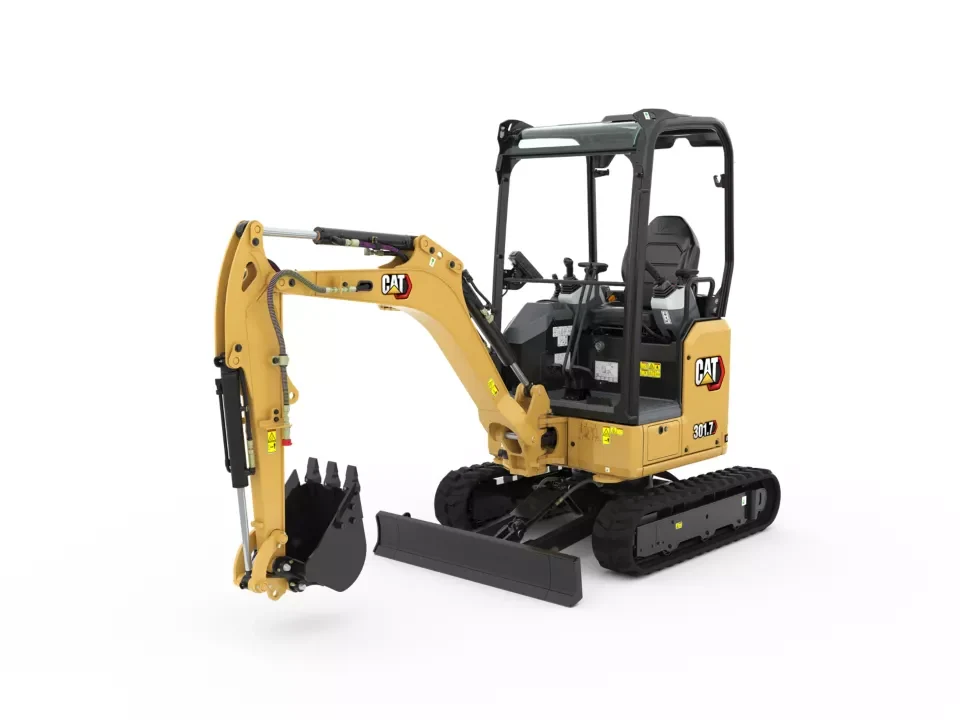
| Brand and model | Specification | Published value |
|---|---|---|
| Caterpillar 301.7 CRUS / Tier 4 Final / Stage VManufacturer source | Net power | 15.7 kW |
| Maximum operating weight | 1,915 kg | |
| Long-stick digging depth | 2,540 mm | |
| Retracted track width | 990 mm | |
| Expanded track width | 1,300 mm | |
| Caterpillar 305 CRUS / Tier 4 Final / Stage VManufacturer source | Net power | 33.6 kW |
| Maximum cab operating weight | 5,754 kg | |
| Long-stick digging depth | 3,670 mm | |
| Long-stick ground-level reach | 5,835 mm |
Caterpillar 301.7 CR:1,915 kg is maximum canopy operating weight. Digging depth uses the long stick; retracted and expanded track widths are separate. A reference for residential, landscaping and small-trench content; check access width and transport weight first.
Caterpillar 305 CR:5,754 kg is maximum cab operating weight with long stick, padded steel tracks and extra counterweight, excluding the bucket; it is not shipping weight. Useful for utilities, deeper trenching and compact-site content; identify long-stick and counterweight selections in the quote.
Sources checked: 2026-09-21 · Published models illustrate specification and content work. Client projects use the models and documents in the client’s actual range.
Application, configuration and quotation content
- Expanding tracks, canopy/cab, long stick and counterweights alter configuration.
- Quote breakers, augers, couplers and hydraulic circuits separately.
- Destination emissions, parts packs and training change delivery scope.
- Packing, separately shipped attachments and destination change freight.
We turn these questions into model-page content, technical documents and enquiry fields so sales receives the equipment, operating and delivery requirements together.
Keywords, intent and destination pages
Equipment businesses finding our services
mini excavator website design; SEO for mini excavator exporters; GEO for mini excavator manufacturers; mini excavator website content services
These searches lead to this industry page and our website, SEO and GEO service pages. Business owners can review the work and submit their own website and product range.
Equipment purchasing queries for client websites
| Stage / query | Buyer intent | Content and target page | Enquiry action |
|---|---|---|---|
| Access mini excavator under 1m wide | Check the widest part of the complete configuration, not tracks alone. | Restricted-access page with track, canopy and attachment dimensions. | Request minimum clearance, ground conditions and work area. |
| Working envelope 1.7 ton mini excavator digging depth | Distinguish standard and long sticks and wall-side work. | Model page with working-range drawings and stick options. | Request trench depth, width and site photographs. |
| Transport and rental mini excavator transport weight with bucket | Account for machine, counterweight, bucket and trailer payload. | Transport checklist and rental-maintenance article. | Collect trailer details and provide the required loading information. |
| Purchase mini excavator supplier with auger and breaker | Compare complete machine, attachment, spares and training packages. | Model pages linked to attachment and support information. | Capture a machinery RFQ; exporters contact this site for website services. |
AI purchasing prompts and content preparation
These purchasing questions can be tested in ChatGPT, Gemini and AI search experiences. Record the platform, date, region, full response, suppliers mentioned and cited URLs, then compare the findings with the client’s published content.
I need a mini excavator to pass through a 1 metre garden entrance and dig utility trenches. Which dimensions and site conditions should I verify before choosing a model?
- What to observe
- Check that retracted track width is not treated as guaranteed complete-machine clearance.
- Supporting page content
- Dimensioned access guide covering the widest carrier and attachment points.
Compare Cat 301.7 CR and 305 CR for trenching and transport. Separate standard-stick and long-stick figures and explain what is included in operating weight.
- What to observe
- Check stick variants and whether weight includes a bucket.
- Supporting page content
- Configuration-specific model table and loading checklist, beyond tonnage labels.
What documents should a rental business request from a mini excavator exporter for daily checks, attachment changes and spare-parts ordering?
- What to observe
- Look for manuals, wear-part numbers, handover training and matching information.
- Supporting page content
- Downloadable delivery-document index and parts-ordering process.
Optimization work and execution sequence
| Stage | Actions | Deliverable |
|---|---|---|
| Week 1 | Check stick options, expanding tracks, engine versions and operating versus transport weights. Review mobile pages and inquiry entry points. | Configuration matrix, site diagnostic and photography brief. |
| Week 2 | Research restricted access, landscaping, trenches and rental queries within the 200-keyword plan. Compare 2–3 relevant competitor sites. | Page map, application navigation and prompt baseline. |
| Weeks 3–4 | Publish priority models and access/transport guides with attachment interfaces. Map old model URLs and test crawling and source-page attribution. | Readable model and application pages, redirect map and inquiry test record. |
| Monthly | Create 4 posts covering access, trenches, attachments and handover; distribute 8 times on Facebook/LinkedIn. Publish 60 external links and record destination pages. | Content, social and external-publication records; a monthly report by mini-excavator search topic, landing page and equipment/attachment enquiries, including dimensional and application information completeness. |
| Quarterly | Use recurring dimension and parts questions to revise pages. Review markets, query landing pages and social lead quality in an online meeting. | Quarterly report and next-quarter application and model revisions. |
Monthly reporting separates queries and rankings, GSC impressions and clicks, website visits, contact clicks, saved enquiries, social placements and external publishing. Quarterly reviews explain the changes and set page and content priorities.
How clients and buyers find the site and enquire
| Channel | Query or prompt | Landing page | Next action |
|---|---|---|---|
| Google service search | SEO for mini excavator exporters | This mini-excavator service page. | Exporter submits tonnage range, markets and website. |
| Google equipment search | mini excavator under 1m wide | Customer's restricted-access application page. | Buyer checks dimensions and selects a model. |
| AI / social | mini excavator for garden access and trenching | Published dimension drawings, working guides and delivery material. | Buyer visits the equipment website and requests a configuration. |
Facebook and LinkedIn content operations
The standard service produces 4 image-and-text posts a month and publishes them 8 times across Facebook and LinkedIn. Topics draw on technical articles, product pages and sales material, with destination URLs and channel tags recorded.